
Night guards: a small appliance protecting a large piece of work
If you grind, a guard is what keeps new crowns intact. Why it has to be made after the final fit, which type suits what, and how to tell whether you grind.
Reviewed by Yiğit Bal, dentistWritten in Turkey by a dentist. Klinikle is a clinic directory, not a clinic — no practice pays to appear here, and we do not provide treatment. Where a page compares Turkey with treatment at home, read it knowing where it was written.
Last updated:
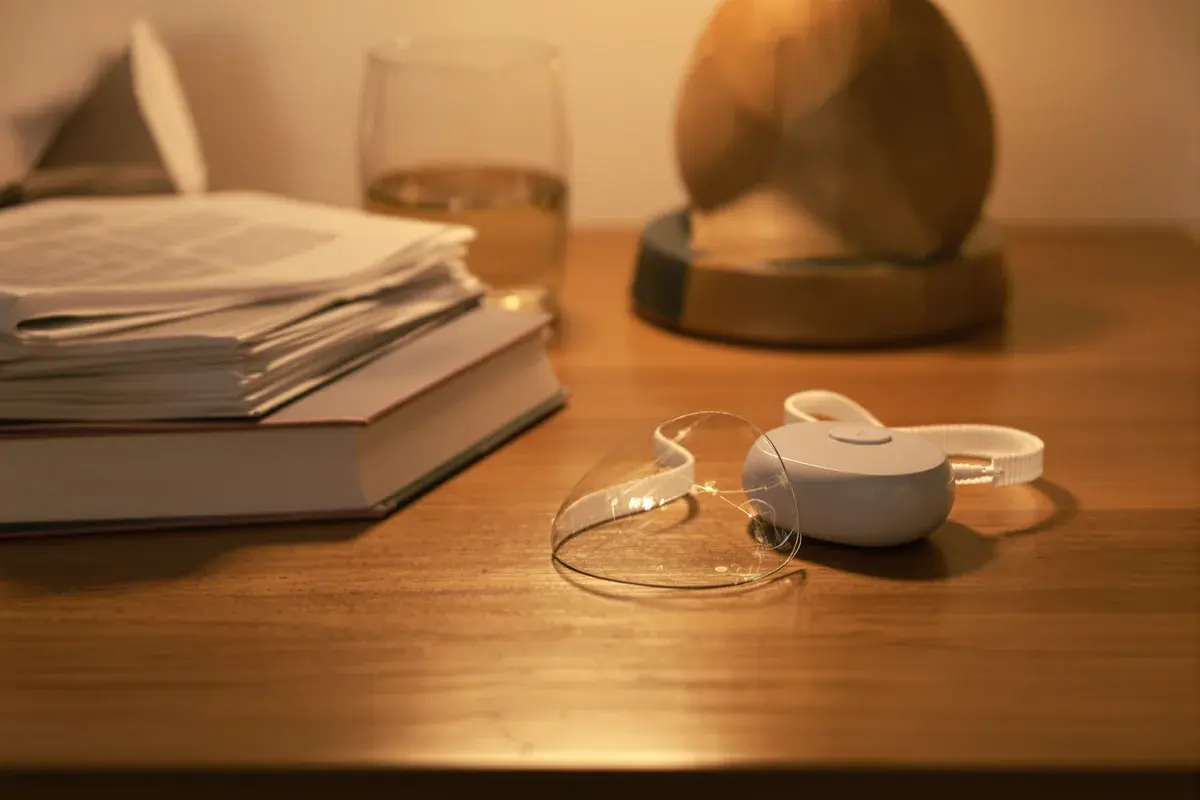
If you grind your teeth at night, a guard is the single most useful thing you can add to a mouthful of new crowns. The forces that flattened your own teeth carry on at the same strength once the work is fitted, and they now meet a material that chips where enamel wore.
Timing is the detail most people miss. The guard is made after the final work goes in, on the shape you will be wearing.
Ceramic is harder than enamel and less forgiving
Enamel gives way slowly and evenly, which is why worn teeth look shorter, not broken. Ceramic behaves differently: strong under straight compression, much weaker under the sideways, sustained loading that grinding produces. Usually after a year or two, that shows up as:
- Chipping of the layered porcelain, particularly on upper front teeth.
- Cracks or fractures through a crown or a bridge span.
- Crowns debonding, because the cement is worked loose instead of crushed.
- Screws loosening in implant-retained work, which feels like a wobble and is not the implant itself.
- Wear on the opposing natural teeth. Well-polished zirconia is comparatively kind to whatever it bites against; a crown adjusted in the mouth and not repolished is not. Worth raising if adjustments happen at the fitting.
None of this is a fault in the work. It is what grinding does to a material chosen for strength rather than give.
The guard does not stop you grinding
Worth saying plainly, because people are sometimes disappointed. Grinding is largely a sleep and stress matter and acrylic does not switch it off. What the guard does is spread the load across the whole arch — not two or three teeth — with a sacrificial surface in between. You wear out the guard instead of the crowns, so one worn through has done its job. Replace it; do not conclude it failed.
It has to be made after the final restorations
A guard fits the biting surfaces that existed when the scan was taken, which is also why the sports mouthguard already in your kit bag no longer seats and why going back to contact sport waits on a new one. Scan your old teeth or your temporaries and it will not seat on the finished work. A guard that does not seat is worse than none, because it loads a few points instead of many.
That is awkward on a Turkish trip, where the final fit often happens a day or two before the flight home. Three options, best first:
- Have it made in Turkey if there is genuinely time after the final fit, and checked in your mouth before you leave.
- Have it made here at your first review, by whoever will be looking after the work. This is the usual answer and a good one.
- Ask the clinic for the digital scan of the finished arches so a laboratory here can work from it. Not every clinic releases the file, so ask before you fly.
If you already know you grind, raise it at the planning stage: it can change the design of the work as well as the aftercare. What a treatment plan should contain covers getting that written down.
The main types
| Type | What it suits | Trade-offs |
|---|---|---|
| Soft, full arch | Light grinding, short-term cover after treatment | Comfortable straight away, wears through quickly, and some people clench harder into something soft |
| Dual laminate, soft inside and hard outside | Most people with new crown or bridge work | Easy to wear, more durable than soft alone |
| Hard acrylic, full arch | Heavy grinders, extensive restorations, implant-supported work | Longest lasting and the most adjustable, but takes a fortnight to get used to |
| Stabilisation splint, adjusted to the bite | Jaw joint or muscle pain alongside grinding | Needs a dentist who will adjust it over several visits, not a mail-order device |
| Devices covering only the front teeth | Occasionally prescribed for specific reasons | Must be supervised. Leaving back teeth unopposed can let them move, which is not a problem you want on top of new crowns |
The rule that matters, whichever you end up with, is full-arch coverage unless a dentist has a specific reason for something else. A guard covering some teeth and not others changes where every load lands. Boil-and-bite guards will bridge a fortnight while a proper one is made, but over extensive restorative work they are thick, approximate and unadjusted.
How to tell whether you grind
Most people who grind at night have no idea. Check for:
- Jaw muscles that ache on waking, or a dull morning headache at the temples.
- Flattened, matching wear facets on the biting edges, particularly the canines.
- Scalloped indentations along the edges of your tongue, or a ridged line inside your cheeks.
- Teeth sensitive to cold first thing that settle during the day.
- Somebody telling you they can hear it.
Two or three of those together is enough to raise with a dentist before crown work is planned, not after.
Looking after it
Rinse it in cold water each morning and brush it with soap or a non-abrasive cleaner. Never hot water, never the dishwasher: acrylic distorts, and a distorted guard does not fit. Dry it before it goes in its case, keep the case ventilated, and take it to every review so the fit can be checked against work that may have been adjusted since. It goes into a clean mouth, so the routine in cleaning implants and bridges properly comes first.
Expect to replace it periodically, depending on how hard you grind. A dentist reading the wear on it will tell you more about your habit than you can. If the bite itself feels wrong and not merely heavy, that is a different problem, covered in bite problems after treatment, and a guard will not fix it.
This page is general information, not medical advice. Outcomes vary between individuals and suitability can only be established after an in-person examination and imaging by a qualified dentist.
Related reading
Get an honest assessment first
Tell us what you're dealing with and we'll come back on WhatsApp with a straight answer — including whether travelling is worth it for your case at all. No photos needed to start.