
The best dentist in Turkey: check the person, not the clinic
Search for the best dentist in Turkey and every result is a clinic advert. What differs between two dentists in one building, and what you can confirm.
Reviewed by Yiğit Bal, dentistWritten in Turkey by a dentist. Klinikle is a clinic directory, not a clinic — no practice pays to appear here, and we do not provide treatment. Where a page compares Turkey with treatment at home, read it knowing where it was written.
Last updated:
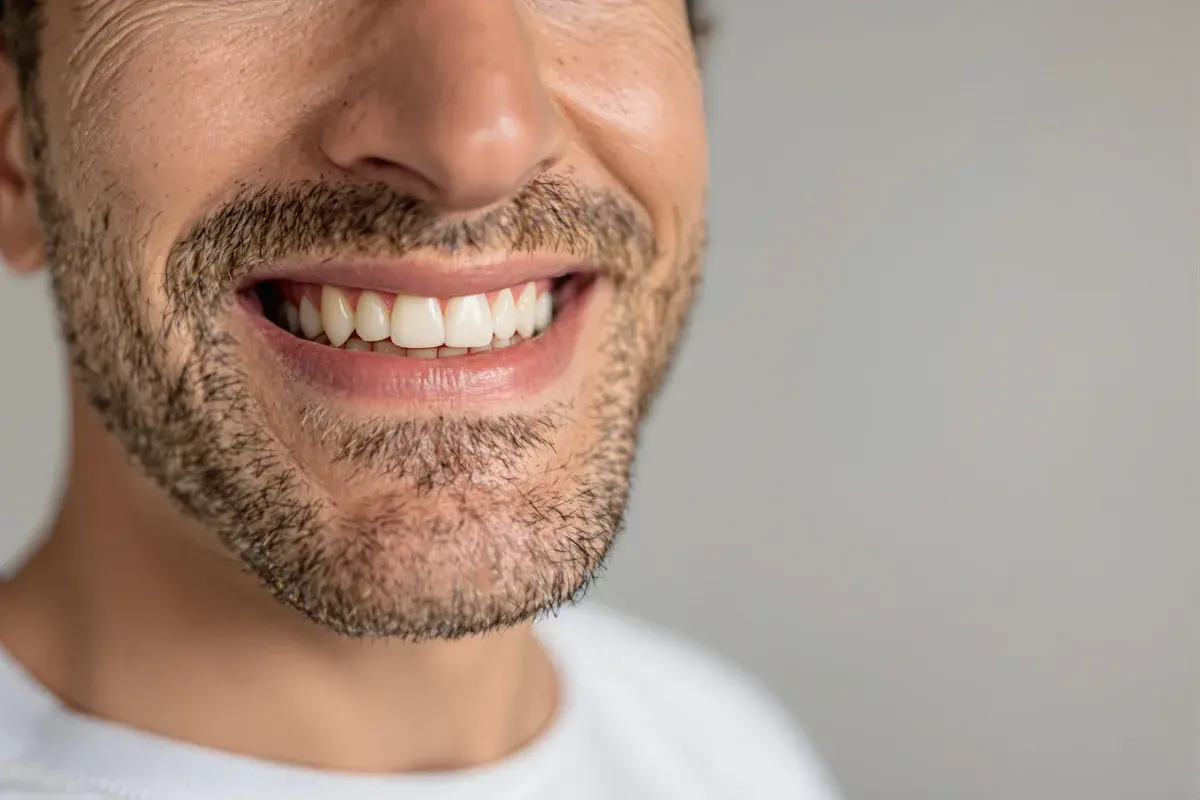
No register anywhere could identify the best dentist in Turkey, and the pages ranking for that phrase are not attempting to — each one is a clinic advertising itself. In dental tourism the clinic is the brand, and the dentist who will actually hold the drill is often not named anywhere on the site you are reading.
That gap is the thing worth closing before you commit. An immaculate, licensed, warmly reviewed clinic can seat you with a dentist you have never heard of and never spoken to, and nothing about the premises will warn you. This page names no clinic and no dentist. What it does is separate the things that genuinely differ between two dentists working under the same roof, and say how much of that you can confirm from your own kitchen table.
Why a clinic’s reputation says nothing about your dentist
A private dental clinic in Turkey is licensed as premises. It has one dentist who is legally responsible for what happens there, but the dentists who treat patients are employees, and in a practice handling enquiries from a dozen countries they work to a rota. Cases are allocated by who has a free chair on the day your flight lands. The reputation accrues to the address; the skill belongs to individuals, who can leave in a fortnight and take none of that reputation with them.
The dentist featured on the website is frequently the founder, and founders of busy international clinics spend a fair share of the week not operating. None of this is dishonest. It becomes a problem only when you buy a building and assume you have chosen a person.
There is a second reason the person stays hidden. The first reply to your enquiry usually comes from a patient coordinator, who is not a clinician and holds no clinical qualification. What that distinction changes is worth understanding before you treat their reassurance as a clinical opinion.
Four differences between two dentists under one roof
Not one of them photographs well.
How often they do your procedure. A dentist who places implants most weeks and one who places them a few times a year both place implants. The difference shows in the cases that do not go to plan — a sinus floor thinner than the scan suggested, an implant that will not hold firm on the day.
What they trained in. Turkey recognises nine dental specialties. Implantology and cosmetic dentistry are not among them, here or in Britain, so those words describe an interest and not anything you can verify. Only some of the titles you will see can be confirmed against a register; what the Turkish titles mean is where that line falls.
Whether they carry the case the whole way. Surgery and the restorative work that follows are often split between two dentists, which is normal and frequently sensible. It matters because the person fitting your crowns has to be able to explain why the implant sits where it sits.
Whether they will still be there when you return. Staff turnover in clinics built around international patients is high, and your second stage is months away.
Match the dentist to your case, not to a list
The dentist who suits a single gap in an otherwise sound mouth is not the one who suits a jaw with very little bone left in it. “Best” only becomes an answerable question once you have said what the case is.
| If your case is | What it really turns on | The question that reveals it |
|---|---|---|
| One missing tooth in a healthy mouth | Routine placement and a clean restorative result | How often the same dentist both places and restores single implants |
| A full arch on thin or resorbed bone | Surgical planning, and an alternative decided in advance | What happens on the day if there is less bone than the scan suggested |
| Gum disease that has never been treated | Getting the gums stable before anything is built on them | Whether gum treatment comes first, and who reassesses before restoring |
| Front teeth where appearance is the whole point | Shape, proportion and the technician’s hand | Who designs the shape, and when you see it before any tooth is prepared |
| Work done elsewhere that has failed | Willingness to investigate before replacing | What they would need to see before deciding what is salvageable |
| A long day of treatment under sedation | Anaesthetic cover, not dental skill alone | Whether an anaesthetist is present throughout, and how to ask |
Read down the middle column and the point becomes obvious. None of these are ranked qualities. They are matching questions, and only you know which row you are sitting in.
Five things you can confirm before you pay anything
- Get the treating dentist’s full registered name in writing, spelled as it appears on the diploma, before a deposit leaves your account. Several roles may sit between your enquiry and the drill, and they are told apart in finding out who will treat you.
- Confirm the registration yourself with the regional dental chamber, instead of accepting a photograph of a certificate.
- Ask what they trained in, and ask them to name the field, not the procedure. “I do a lot of implants” is an answer about volume, not about training.
- Ask who carries out the second stage, by name, and what the clinic does if that person has moved on by then.
- Ask to speak to the treating dentist directly for ten minutes before you book flights. It doesn’t need to be long. A clinic that arranges it without friction has told you how it is organised, and so has one that does not.
None of that depends on the clinic’s goodwill, and the manner of the replies tells you nearly as much as their content.
The measure that only appears on the second visit
Implant work is not finished when you fly home. The stage that decides how you look back on it comes months later, when the healing has settled and the final teeth are fitted, and by then the dentist you liked may have moved to another city. Those gaps fall in fairly predictable places, mapped in how many trips you will need.
So ask early who your named point of contact is between visits, and what happens to your file if that person leaves. Ask whether the plan, the photographs, the surgical notes and the implant records travel with the case and not with the individual. A clinic that has thought about this answers at once, because it has a system. A clinic that hasn’t will tell you the team is excellent.
The reframing that helps: you are not looking for the best dentist in Turkey, because no such findable fact exists. You are looking for a named, registered dentist whose ordinary week contains your case, who will still be reachable when something needs adjusting, and who will be identified in writing before you pay. That question has an answer, for the same reason no honest ranking of Turkish clinics exists either.
This page is general information, not medical advice. Outcomes vary between individuals and suitability can only be established after an in-person examination and imaging by a qualified dentist.
Related reading
Get an honest assessment first
Tell us what you're dealing with and we'll come back on WhatsApp with a straight answer — including whether travelling is worth it for your case at all. No photos needed to start.