
Socket preservation: the step after an extraction
Grafting a socket can only be done the day the tooth comes out. What it prevents, when it is unnecessary, and why it may add a trip you were not expecting.
Reviewed by Yiğit Bal, dentistWritten in Turkey by a dentist. Klinikle is a clinic directory, not a clinic — no practice pays to appear here, and we do not provide treatment. Where a page compares Turkey with treatment at home, read it knowing where it was written.
Last updated:
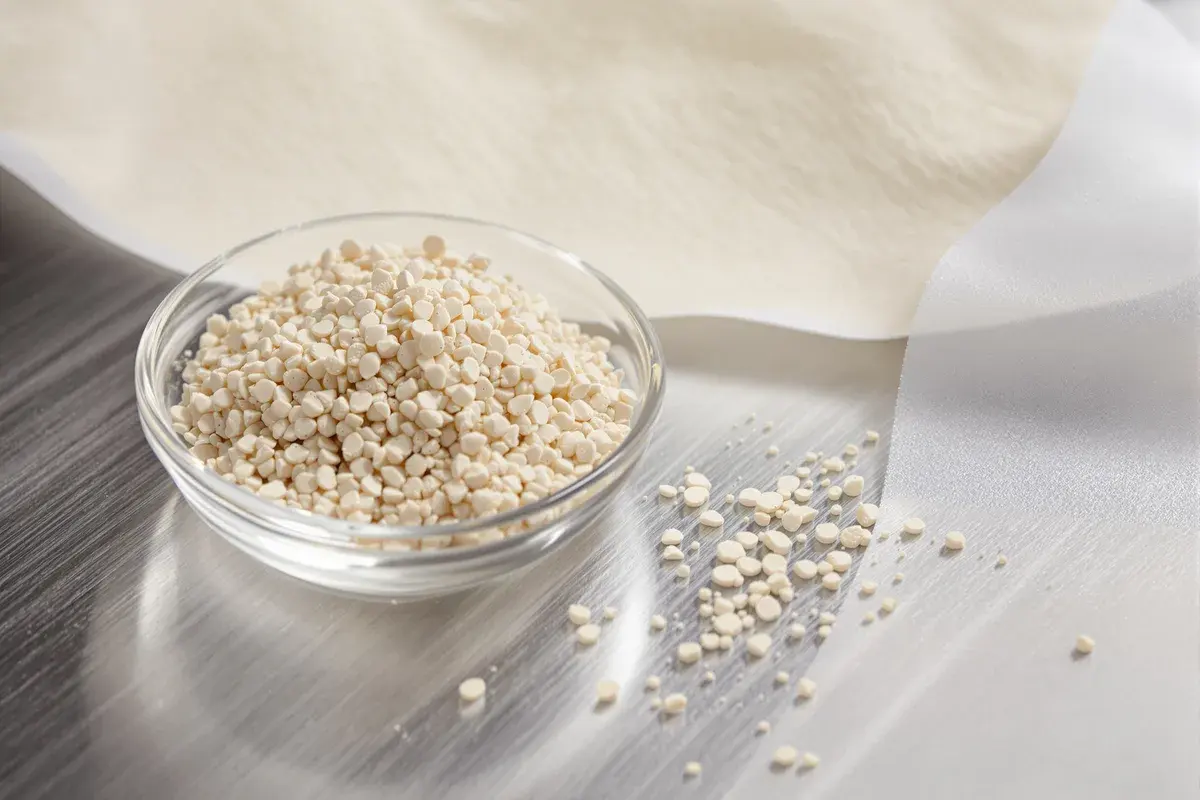
Socket preservation is a graft placed into the space a tooth has just left, at the same appointment, to limit the bone loss that follows. The reason it matters to anyone planning treatment abroad is timing: it can only be done on the day the tooth comes out. Once the socket has healed over, the option has gone and the alternative is a larger reconstruction later.
That single fact should change the order in which you do things. If the tooth is going to be taken out and an implant is even a possibility, the graft decision belongs to the extraction appointment, wherever in the world that appointment happens.
What the socket does when it is left alone
An extracted tooth takes its blood supply with it, and the thin outer plate of bone that held the root — the buccal plate — starts to resorb almost immediately. Most of the change happens in the first three months and it continues more slowly for a year.
The published ranges are consistent enough to plan around. Ridge width typically reduces by something in the region of a third to a half over six months, often three or four millimetres in absolute terms, with rather less lost in height. The loss is worst where the outer plate was thinnest to begin with. In practice that means upper front teeth, where the plate is frequently under a millimetre thick.
Where an implant is planned, the bone may then be too narrow to take one without augmentation. Where a bridge or a denture is planned, the ridge collapses inwards and the false tooth ends up with a dark gap beneath it, or a shadow at the neck.
Preservation reduces that change. It does not abolish it, and no honest clinic will tell you the ridge will be identical in six months.
What happens on the day
The tooth is removed as gently as possible, ideally without cutting the outer plate away to get at it. The socket is cleaned of infected tissue, graft granules are packed into it, and the top is covered with a collagen plug, a membrane, or a small piece of gum moved across. Then the site is stitched. It usually adds fifteen to thirty minutes to an extraction appointment, under the same local anaesthetic.
Afterwards it feels much like an ordinary extraction: sore for a few days, swollen for a few more. A stray granule or two working loose in the first week is common and not a failure. A steady stream of granules, a membrane that has become exposed and grey, or pain that worsens after day three all warrant a phone call, and graft granules coming out describes how to tell the two patterns apart.
When it changes the plan, and when it does not
| Your situation | What is usually appropriate | What it means for your trips |
|---|---|---|
| Front tooth out, implant planned later, thin outer plate | Preservation, almost always | Adds a healing period of roughly four to six months before the implant |
| Back tooth out, implant planned later, thick bone all round | Often unnecessary; the site may heal with enough width anyway | May save you a stage |
| Tooth out and implant placed the same day | Preservation as such is not needed, though the gap around the implant is often grafted | Fewest visits, but only suits specific sockets; see immediate or delayed implant placement |
| Outer plate already destroyed by infection or fracture | This is ridge augmentation rather than preservation, and a bigger procedure | Longer healing, sometimes a separate surgical trip |
| Denture or bridge planned, appearance not affected | Frequently not needed | No change |
| Nothing planned for the gap at all | Usually not needed, unless keeping options open matters to you | No change now; a larger graft later if you change your mind |
| Heavy smoker, or taking antiresorptive medication | Needs a specific conversation before anything is removed | Possibly no surgery at all until that is resolved |
Smoking and antiresorptive medication are the two people misjudge. Smoking materially raises the rate at which grafts and implants fail, and smoking and implants has that conversation properly. Medicines for osteoporosis, tablets or injections, change how a jaw heals after an extraction and must be disclosed before a tooth is touched.
What goes into the socket, and why the origin may matter to you
Graft material comes from four sources, which behave broadly similarly in a socket.
- Xenograft: processed bovine bone mineral, the most widely used. Porcine versions exist.
- Allograft: processed human donor bone.
- Synthetic: beta-tricalcium phosphate or similar, entirely manufactured.
- Autogenous: your own bone, collected from nearby during the surgery.
Membranes and plugs are usually collagen, most often bovine or porcine in origin.
For some patients that list is a matter of religion or diet, and it is rarely raised unless the patient raises it. If it matters to you, say so before the appointment, not on the day, and ask which product will be used. Synthetic options exist for every part of this.
Whatever is used, ask for the product name, manufacturer and batch number in writing before you leave. It belongs in the same folder as your implant details. The records you should leave Turkey with explains why a dentist at home will want it.
What it does to the number of trips
This is where travelling patients get caught. A staged plan runs: extraction with preservation, four to six months of healing, implant placement, three to six months more, then the final crown. Done abroad, that is potentially three journeys, and the graft created the first one.
The pressure to compress it is obvious, and compression is right only where the case genuinely allows it. But there is a better answer that clinics abroad have no reason to offer you: have the extraction and the graft done at home, by your own dentist, before you travel at all. The healing months then pass while you are living your life, you arrive in Turkey with a site that is ready, and one journey disappears from the plan. Not every practice does socket grafting, but many do, and it is a short procedure to ask about.
If that is not possible, work out the real trip count before you commit to anything, using how many trips you will actually need, and read dental implants in Turkey for how the stages fit together.
Ask these before the tooth comes out
- “Is an implant a realistic option at this site, now or in future?”
- “How thick is the outer plate of bone here, and what does the radiograph or scan show?”
- “If the tooth is removed without a graft, will there still be enough bone for an implant in six months?”
- “Will the extraction be done without cutting the outer plate away?”
- “Which graft material would you use, and what is its origin?”
- “How long before the site is ready, and does that add a separate visit?”
- “Could my own dentist do this at home instead, before I travel?”
Question seven is the one that saves people the most, and it is the one nobody asks. Put it to your own dentist first, at the appointment where the extraction is being discussed. If the answer is yes, the sequence of your whole treatment changes, and it changes in your favour.
This page is general information, not medical advice. Outcomes vary between individuals and suitability can only be established after an in-person examination and imaging by a qualified dentist.
Related reading
Get an honest assessment first
Tell us what you're dealing with and we'll come back on WhatsApp with a straight answer — including whether travelling is worth it for your case at all. No photos needed to start.